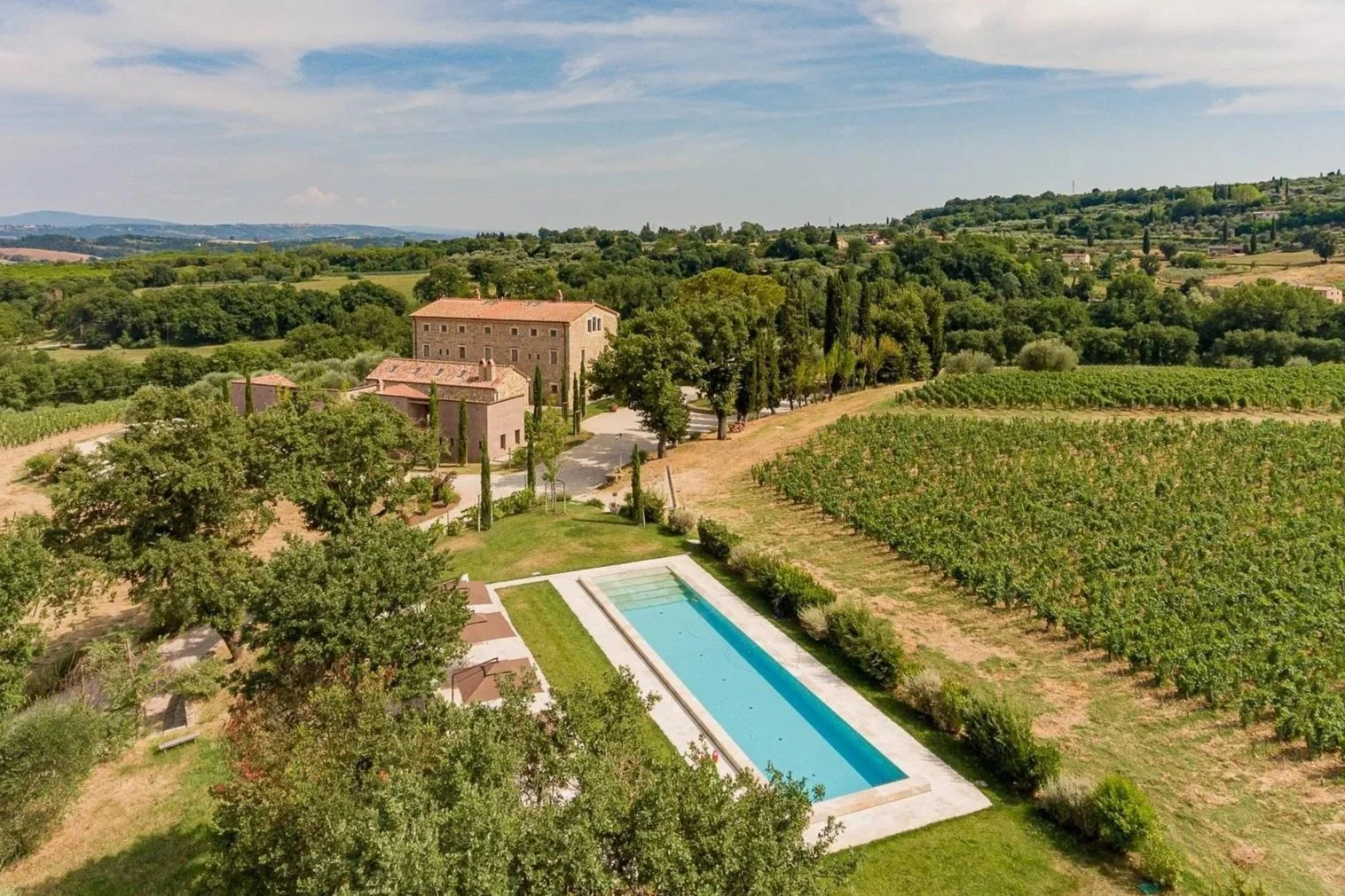
A restored 18th-century wine estate near Siena brings together award-winning organic wine production, a historic villa, and modern estate infrastructure at the gateway to the Val d’Orcia.
All in Estate
A restored 18th-century wine estate near Siena brings together award-winning organic wine production, a historic villa, and modern estate infrastructure at the gateway to the Val d’Orcia.
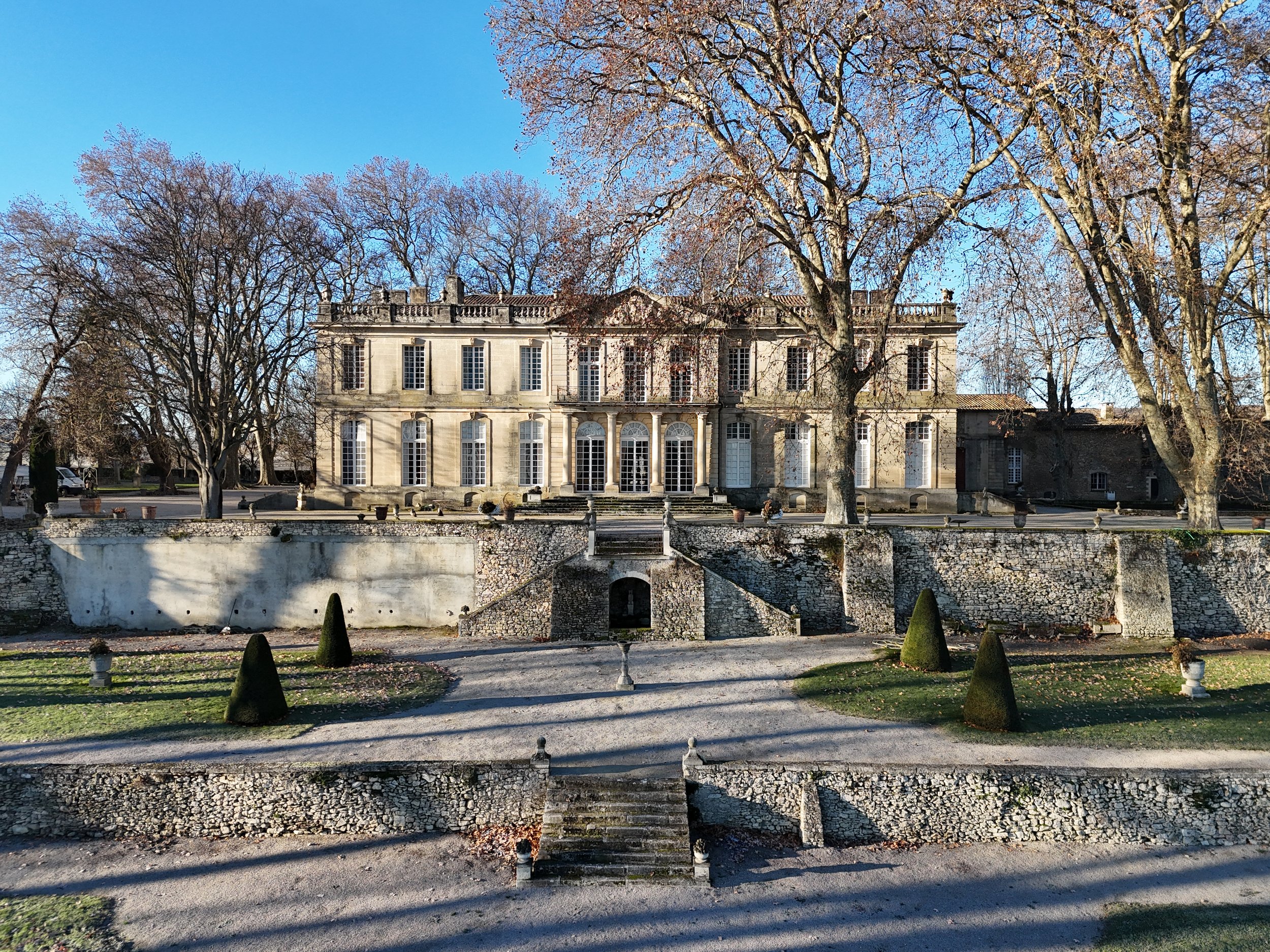
An exceptional example of early 18th-century French classicism, this estate carries the architectural ambition of the period that produced it. Its history spans the speculative boom of 1720 and the enduring Revolutionary-era anecdote that links it, however loosely, to Marie Antoinette.
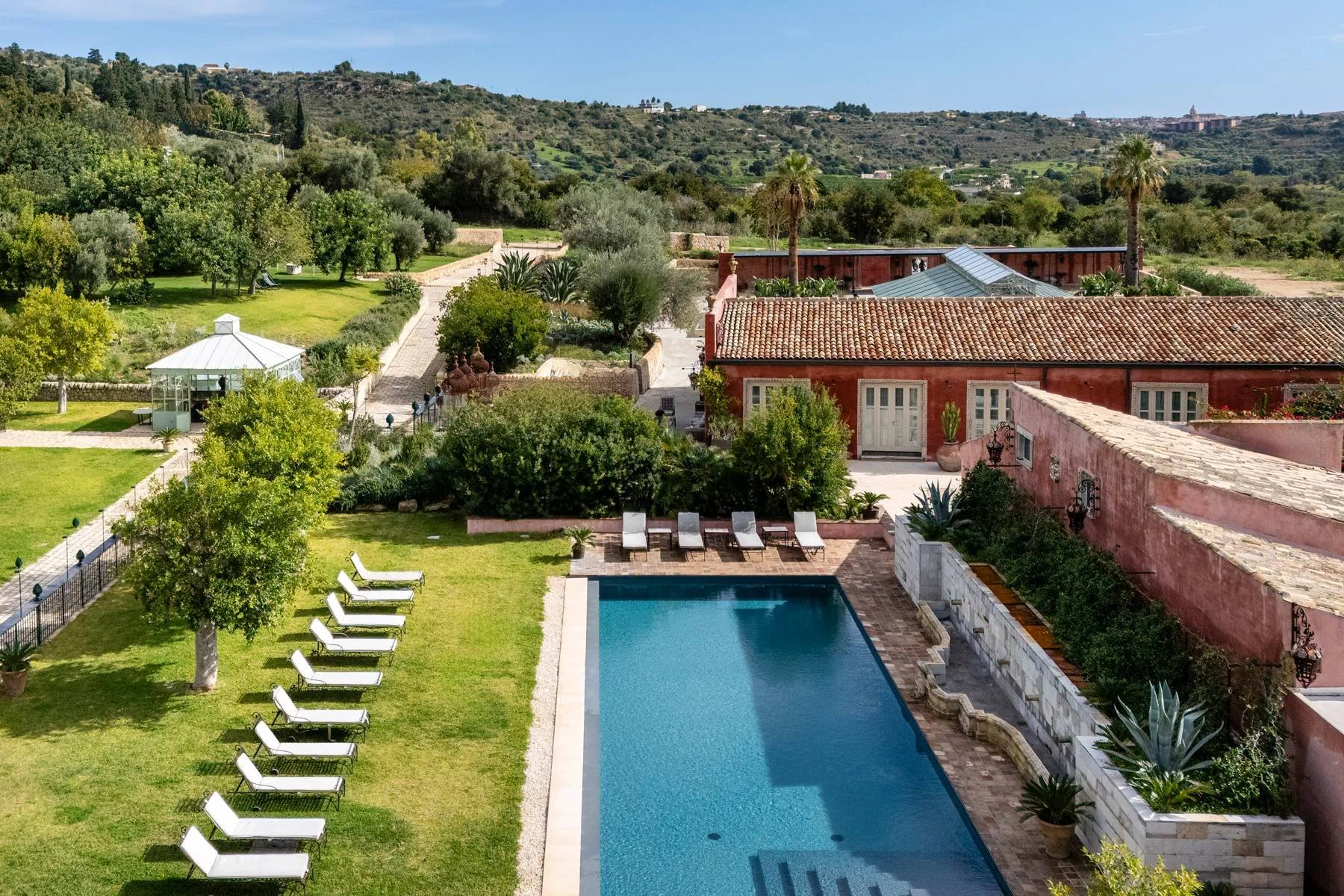
Just five minutes from the Baroque town of Noto — the crown jewel of Sicily’s UNESCO-listed Val di Noto — this restored Sicilian baglio reimagines a historic fortified farm estate as a contemporary retreat.
Designed by Robert Adam, the leading neoclassical architect of the Georgian era, this 764-acre, Category A–listed estate near Edinburgh blends significant architecture with a historically attributed Versailles-inspired landscape and income-generating properties.
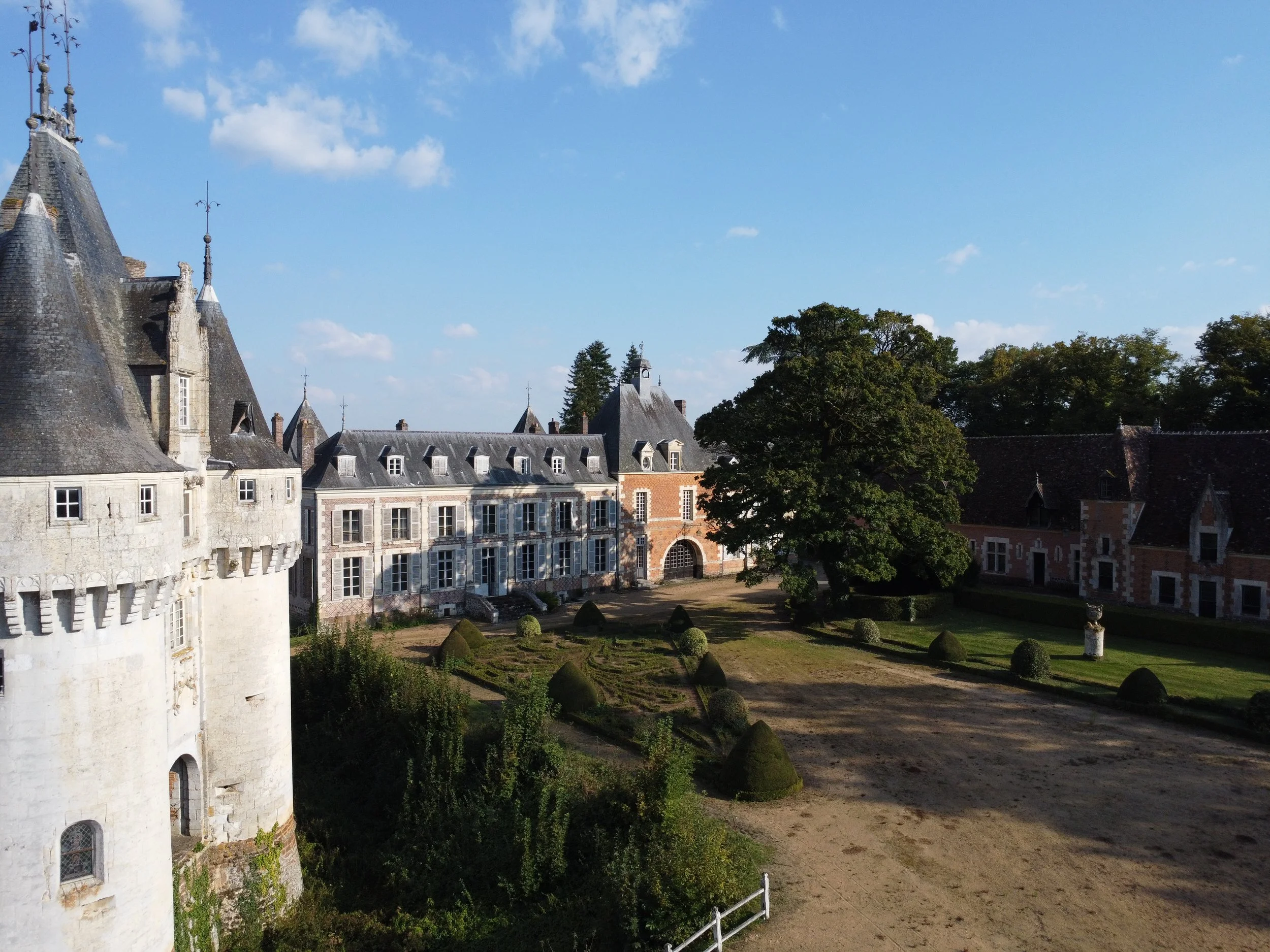
A rare restoration opportunity: a fully classified estate with the highest heritage status France grants — reserved for nationally important sites — just two hours from Paris.
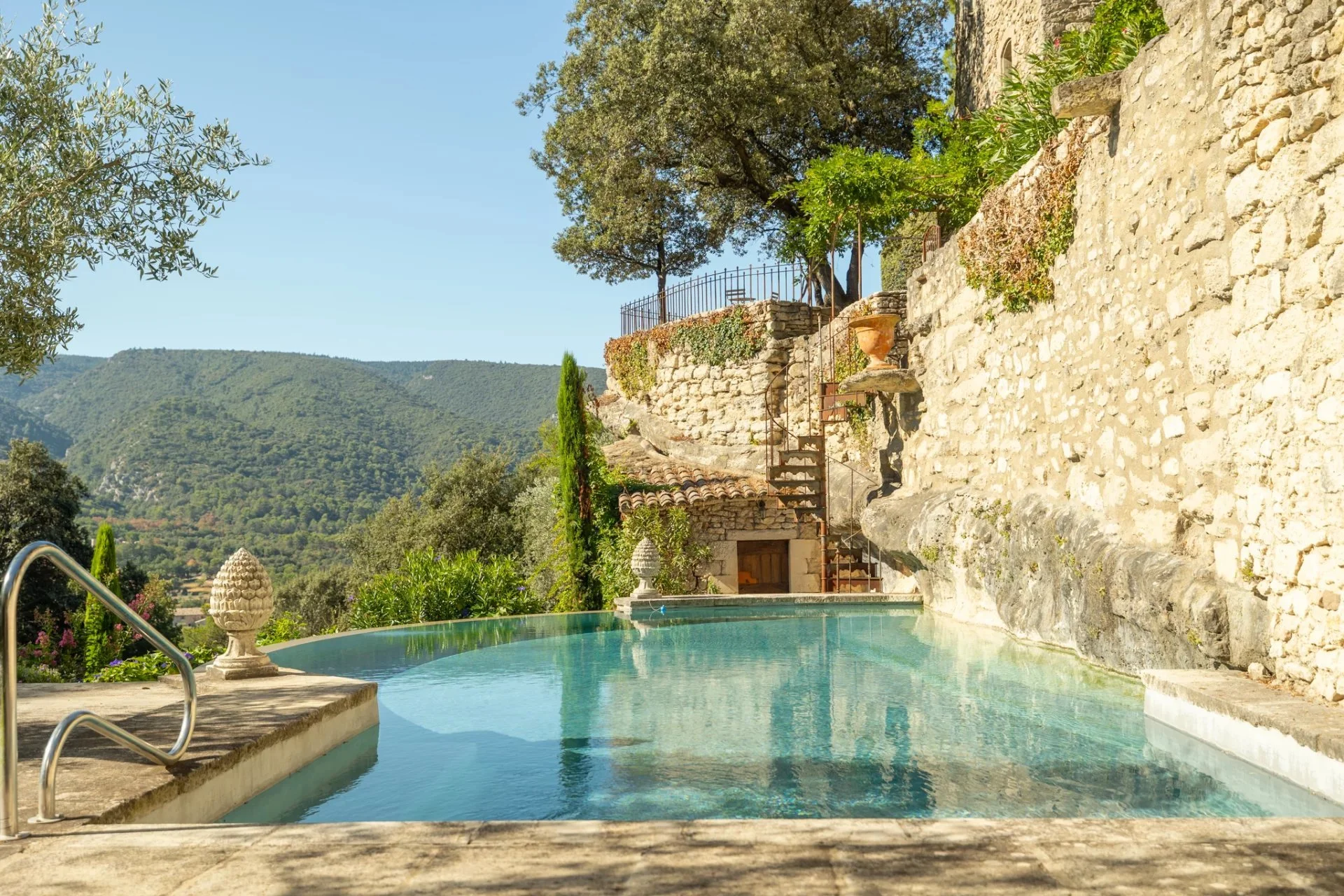
Carved into the Luberon limestone above Ménerbes, two connected homes form a vaulted stone labyrinth with exceptional architectural character. Set in one of Provence’s most sought-after hillside zones, the estate stands out as a rare example of rock-carved residential design.
Set within the village of Nerola in the Sabina hills, under an hour from Rome, the 11th-century fortress underwent extensive restoration in the 20th century, preserving its medieval exterior while preparing it for hotel and event use.
Set on the banks of the Aube River in Laferté-sur-Aube, this French manor house is set in nearly 20 acres of grounds in a region where Champagne’s rolling vineyards meet the forested plateaus of Burgundy’s northern edge.
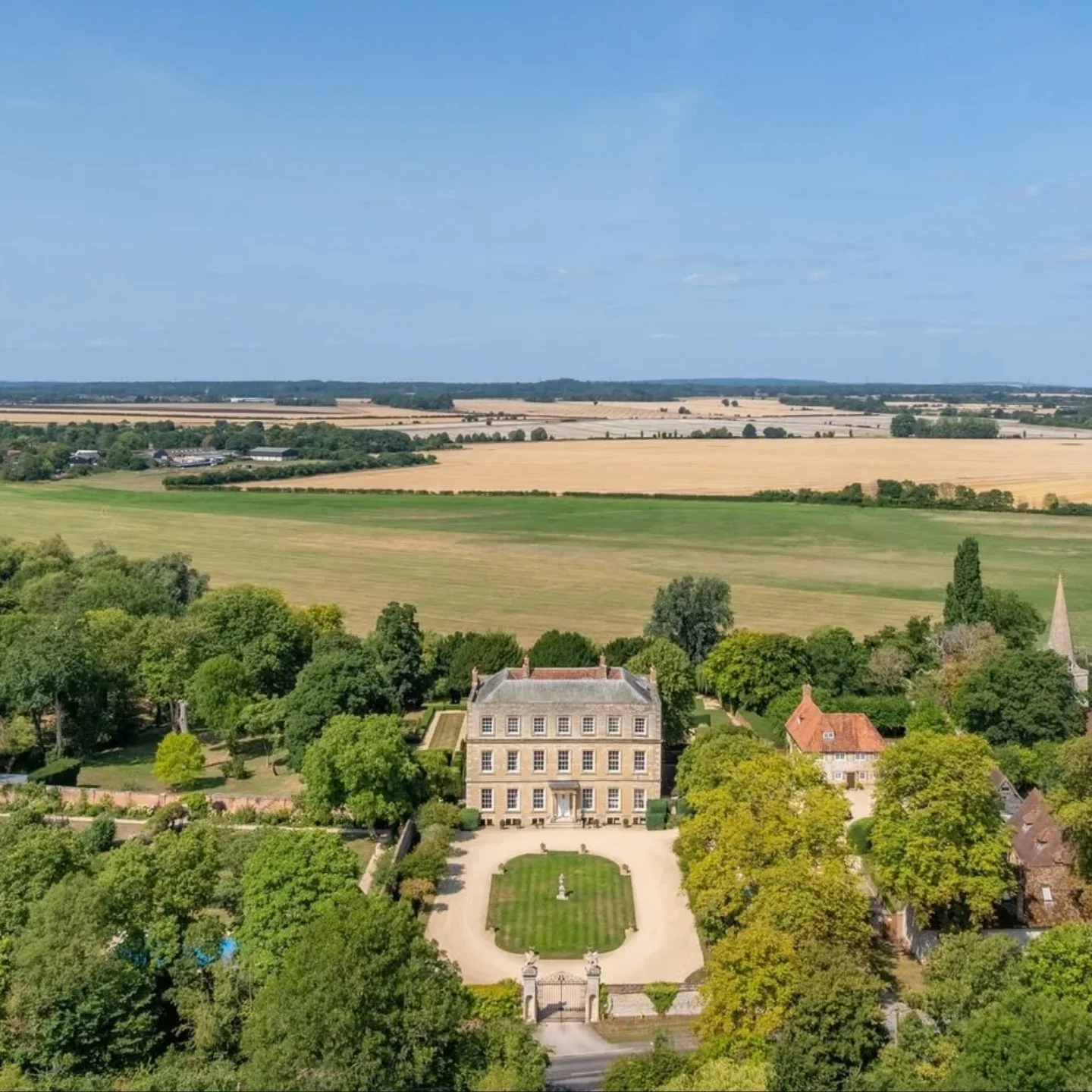
Built around 1679–80 as a gift for an Italian princess, it was modelled on the palatial forms recorded by Peter Paul Rubens in Palazzi di Genova (1622)—the influential volume that introduced Northern Europe to Genoa’s Renaissance palaces—the Grade II* limestone house is a rare example of Italianate classicism transposed into the English countryside.
Gillespie Graham — a defining figure of Scotland’s early Gothic Revival period — designed only two baronial houses, making this estate an unusually pure example of the style. Recent restorations, newly created terraced gardens, and a miniature railway add a distinctive layer of character to the Scottish Borders property.